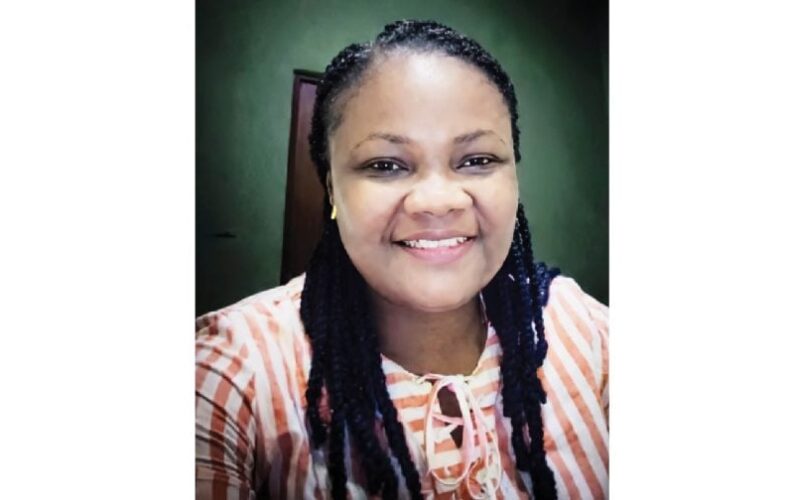
Dr. Oluwakemi Osundara, Senior Registrar in the Department of Obstetrics and Gynaecology at the University College Hospital (UCH), Ibadan, says PCOS is a common but treatable hormonal disorder marked by irregular menstruation, acne, excessive body hair and infertility. In this interview by Sade Oguntola, she urges early medical evaluation, lifestyle changes and proper treatment because many affected women can conceive without IVF.
What is polycystic ovarian syndrome, and how common is it in Nigeria?
Polycystic ovarian syndrome (PCOS) is a combination of symptoms and signs forming a syndrome in young women, the commonest symptom being missed menses. That is when they are really concerned and come to the hospital. Some only menstruate twice or thrice in a year; some might be once in a year. Other complaints that these women have include growing hair on the chest, abdomen, face and chin, like having a beard, like in men. There could also be acne and deepening of the voice. All these symptoms are linked to hormonal changes attributable to PCOS. Now, PCOS is very common in Nigeria, affecting up to 7 out of 100 young women. We see cases regularly at our Gynaecology Clinic in the University College Hospital (UCH), Ibadan, where they are managed.
What is the age range of such people you see in your clinic?
They are usually in the post-pubertal period, usually between 16 and 25 years. A few come in their 30s. In some instances, having pimples all over their face is the reason they come to the hospital, and then this turns out to be caused by PCOS. A lot more people are now aware of PCOS because they have access to information on the internet. This has contributed to more women coming to complain when they have similar complaints to what they have read.
What are the other features of PCOS to look out for?
Other possible symptoms aside from intermittent, unpredictable or absent menses include heavy or long and/or painful periods; difficulty conceiving or infertility; female-pattern baldness or hair thinning; and oily skin. However, it is when they come to the hospital that we can diagnose PCOS. That menses are not regular, for instance, is not only due to PCOS. Some basic tests while seeing a gynaecologist will be required to confirm a case of PCOS and to manage it.
Many people link having an apple-shaped figure with PCOS. Is this true?
Yes, PCOS can actually also present with obesity. In fact, it is common in people who are obese. But that does not mean that every obese woman or a woman that gained weight suddenly has PCOS. Several other conditions can result in excessive weight gain, but obesity is one of the results of PCOS, so it’s possible.
Is PCOS hereditary? Will the daughter of a woman that had PCOS also end up with this condition?
Well, it may be hereditary, but we’ve seen a lot of patients where the daughter will come to the clinic and the mother will say she never experienced something like that. Sometimes, women that have a family history of diabetes mellitus, especially their mothers may have PCOS. Also, women with PCOS have an increased risk of developing other health conditions, including diabetes mellitus, high blood pressure before, during or after, excessive weight gain, especially around the belly, other cardiovascular diseases, high blood cholesterol level, sleep apnoea, and cancer of the lining of the womb.
Is it likely to predispose more to infertility, and why?
Definitely. There are people that have PCOS who have difficulty getting pregnant, but this is treatable. PCOS affects the release of the eggs in women (ovulation), making it one of the most common reasons why they struggle to conceive. It also causes the body to produce higher levels of male sex hormones like testosterone. Normally, most of the testosterone in women is converted in the bag of eggs (ovary) to oestrogen, the female sex hormone. But too much testosterone can interfere with ovulation, as they could cause hormone imbalances that lead to an egg not being released. The ovaries are designed to release an egg each month to either be fertilised – leading to pregnancy – or pass as a period. But due to hormonal imbalances, in women with PCOS, an egg may either not develop or not be released during ovulation as it should. That is why they notice that their period is irregular; and may miss it altogether. So, it might be infertility that the person will present with. By the time tests are run and questions asked, they may end up with a PCOS diagnosis.
We have treated infertility in many patients with PCOS. The challenge is that a lot of people don’t really go to where they will get appropriate help. A lot of them claim to be on herbal therapy. The Gynaecologist is trained to offer effective treatment in conjunction with other specialists.
Of every 10 women with PCOS, how many can you successfully help to get pregnant?
As many as possible, after rigorous assessment, including laboratory tests. With lifestyle changes and simple medications, some are fine; and they get pregnant. These medications are to correct their hormonal imbalance. For those that are not releasing mature eggs as expected, the medications can correct this. Many cases abound who had been so managed in UCH., Ibadan. They are fine and with children.
Is it one treatment for everybody, or do you treat based on the condition of each individual?
The patient will be treated based on what is found in her. Many require life style modification only. Consisting of weight control with adequate and balanced diet, regular exercises, adequate sleep, abstinence from alcohol and other recreational drugs. Medications are needed to ensure ovulation, treat acne and prevent future occurrence of cancer of the lining of the womb. Very occasionally simple operations may be necessary in a minority of patients. Advanced fertility management may also be needed. Treatment is based on how each individual presents.
How do you deal with the weight gain and acne associated with PCOS?
Excessive weight gain can be dealt with. Dieticians are usually consulted to help with a diet plan to reduce weight, although interestingly some PCOS patients may be underweight and actually then need guidance on gaining weight! Also, doing exercises helps in managing the PCOS. The funny thing is, a lot of people when they change their diet and exercise to lose weight, their menses become normal and regular. Before you know it, these symptoms of PCOS disappear. Of course, there are medications that can be used to treat acne, prescribed by skin specialists. They are used with caution in women preparing to conceive!
What is the implication of late detection and treatment of PCOS?
It’s better to start treatment as early as possible so that whatever is wrong can be corrected. Some people would have wasted time and may become menopausal before seeking for help because of infertility. That is wrong. Seeking appropriate specialist care early is crucial.
For instance, young girls whose menses are not regular are not supposed to keep quiet. If you know that you are not menstruating every month, you may not be able to get pregnant in the future as this may be due to PCOS. Even if you don’t like menstruation, its absence is something that later in life could contribute to difficulty in getting pregnant. So, it is better to see a Gynaecologist who will do the necessary assessment to assure you that there is no problem. But who will then treat if there is PCOS or other conditions ascribable to the absent menses.
Are many people aware of PCOS and its implications?
A lot of people were not aware. But recently we are receiving more of these complaints in our clinic. People are reading up on it on the internet, although some of the things said about PCOS online can be confusing and misleading. When their experience is similar to what is online, they then seek medical help. So awareness of PCOS is certainly increasing day by day.
Are there common myths and misconceptions about PCOS that you want to address?
There are a lot of myths and misconceptions, especially because of things that people read online. For instance, I’ve heard from a patient before that “if you have PCOS, you cannot get pregnant.” She claimed to have seen somebody not getting pregnant because of PCOS. The fact that somebody has PCOS does not mean she cannot get pregnant. A lot of factors need to be functioning normally for a woman to achieve pregnancy. For instance, the Fallopian tube must be open and the husband’s semen must be normal. It is not that once somebody has PCOS, they cannot give birth. Lately, assisted conception is quite advanced and many women can now get pregnant and have babies more easily than before. PCOS can actually be treated. Also, most people think that PCOS is dangerous because it has no treatment, but that is not the case.
Studies are suggesting a growing burden of PCOS globally. What would be the reason for this?
Honestly. I don’t know. I’m sure researchers are working very hard to know why the increase in the incidence of PCOS. But I think majorly PCOS had been in existence for long, but because of little knowledge about it, a lot of people may not present in the hospital. They may not have been going to where appropriate assessment is made as PCOS requires a combination of symptoms, signs, ultrasound scan and laboratory tests to confirm its suspicion. This process is increasingly available in our country so making diagnosis easier now.
But its exact cause is still unknown. Whether other factors like dietary intake are contributory to cases of PCOS is still not certain.
What is the best time to start treatment for PCOS?
As soon as you notice any changes, it is better to seek help so effective treatment can be commenced early. Once you miss your periods regularly and pregnancy test is negative, report to the hospital for a comprehensive assessment. As said earlier, PCOS is not the only reason for not menstruating properly; a lot of other things can cause it actually. And also, by the time you notice that you are gaining excessive weight, it is better to see the Gynaecologist.
Is there anything else about PCOS in Nigeria that is left unmentioned?
People should seek appropriate consultation when they suspect having PCOS. Also, it is necessary to increase awareness of PCOS as this interview will do, so that people will not be scared to seek help.
When you talk about PCOS. Do you need to do artificial fertility treatment (IVF) to conceive and have a baby?
No. It is not everybody that has PCOS that will have to do IVF. Definitely, if ovulation is corrected, the Fallopian tubes are open, the husband’s semen and all other factors needed for fertilisation are okay, pregnancy will naturally occur. But there are some conditions that may warrant IVF. These will become obvious when the necessary tests have been done.